
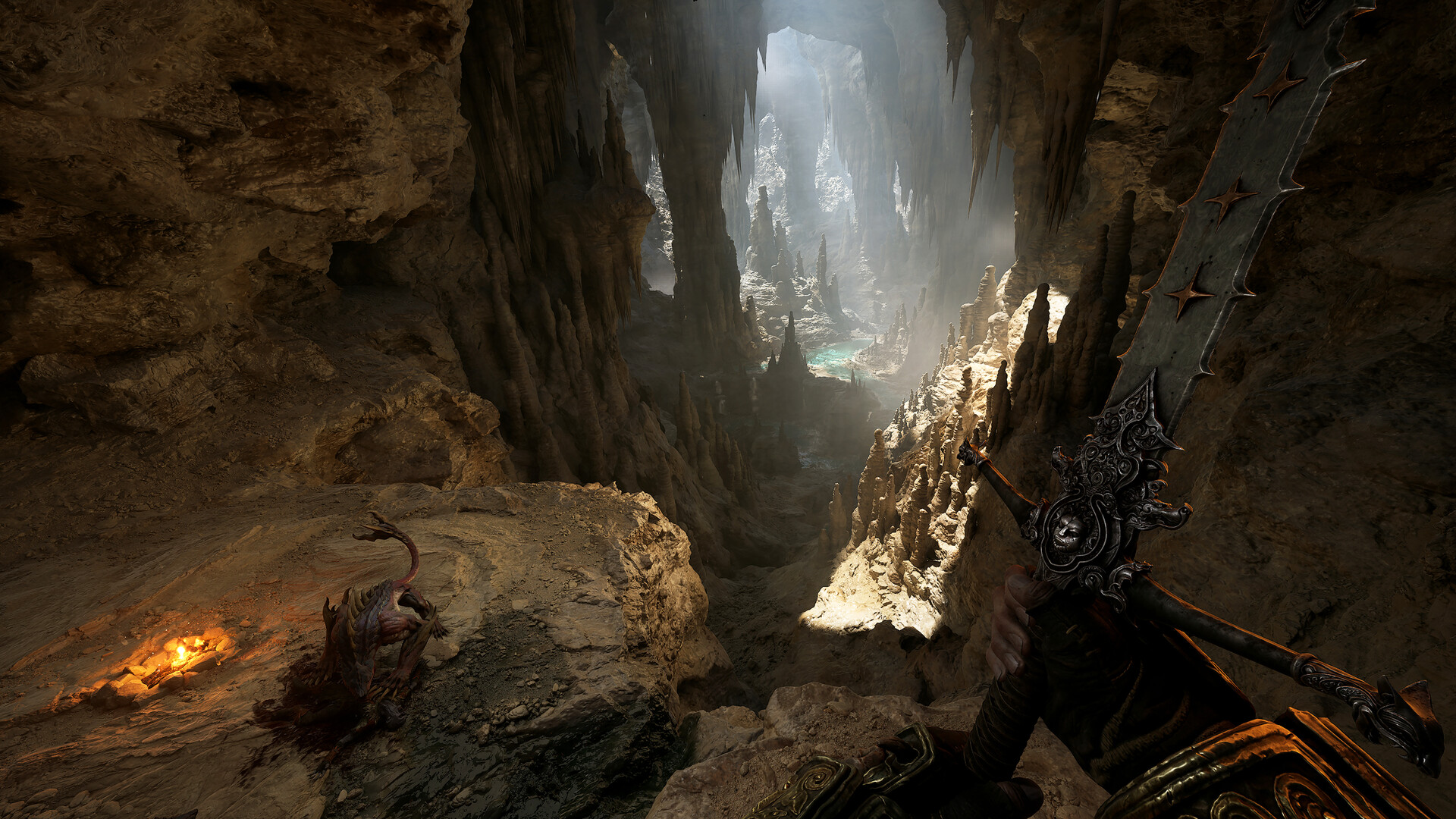


Fatekeeper was released for PC in Early Access on 2 June 2026. Developed by Paraglacial and published by THQ Nordic, it is a first-person RPG set in a handcrafted fantasy world where ruins, relics and forgotten cataclysms shape the journey ahead. The game mixes swordplay, spellcasting, exploration and character progression, placing players in a world that follows a focused narrative path while still rewarding curiosity. Rather than being built only around combat encounters, Fatekeeper asks players to search its environments, uncover hidden lore and shape their character through meaningful choices.
The world of Fatekeeper is one of its central draws. Players travel through ancient battlegrounds, vast underground caverns, serene forests and crumbling sanctuaries forgotten by time. Each area is designed to offer more than scenery, with hidden relics, unexpected encounters and fragments of story waiting away from the main route. That gives the game a sense of mystery and discovery, encouraging players to look closely at the world around them and piece together what happened before they arrived. The mention of past cataclysms suggests a setting where history is not simply background detail, but something that still shapes the present.
Combat is built around a combination of melee and magic. Players face a wide variety of foes, each with their own patterns, strengths and weaknesses, meaning success depends on more than just having strong equipment. Fatekeeper emphasises reactive melee combat, precise spell use and tactical adaptation during battle. This gives encounters a more involved rhythm, where the player’s build matters, but so does how that build is used in the moment. A character focused on strength, speed or sorcery may approach the same enemy very differently.
Progression is another major part of the experience. Fatekeeper allows players to refine their character through combat styles, attributes and spell schools, giving room for different builds rather than one fixed route. Some players may lean into raw strength and close-range aggression, while others may prefer nimble precision or devastating sorcery. That variety is important for a first-person RPG, because the sense of becoming stronger works best when the player feels they are shaping a character around their own habits and preferences.
Weapons, armour and artifacts also feed into that sense of identity. Players can discover, loot and master a wide range of gear, then customise their loadout to suit the challenges ahead. The right combination of weapons, armour and relics can change how a fight plays out, especially as enemies become more dangerous. Fatekeeper presents equipment as more than a simple numbers game, with the promise that every item matters and that the right gear can be the difference between victory and ruin. That gives exploration and looting a clear purpose.
As an Early Access release, Fatekeeper is also being presented as a game that will grow over time. The Steam listing explains that the current version contains the graphical fidelity and core gameplay elements for the first few hours, while the full version is planned to expand story content, progression mechanics and supporting systems. That context matters because players are responding to both what is already playable and the potential of what the game could become. Early Access suits a project like this if feedback helps refine combat, progression, pacing and the wider RPG structure.
At the time of writing, Fatekeeper has a Mostly Positive rating on Steam, and that reception points to a game whose foundation is already connecting with many players. The appeal lies in the combination of first-person sword and sorcery, atmospheric world design, meaningful builds, loot-driven progression and a fantasy setting that invites exploration without losing narrative focus. The rating also suggests that some players may be weighing its promise against the limitations of Early Access, where content length and unfinished systems can naturally affect how the experience is judged.
Fatekeeper is best understood as a developing first-person fantasy RPG built around atmosphere, combat and choice. Its strengths lie in its handcrafted world, reactive battles, spell schools, varied builds and the sense that every ruin or forgotten sanctuary may hold something worth finding. For players drawn to sword-and-sorcery adventures where gear, skill and exploration all matter, it offers an Early Access journey into a world of relics, danger and decisions that shape who the player becomes.
BUY FATEKEEPER

Fatekeeper Download
Fatekeeper is available to purchase and download from a range of vendors…..
Fatekeeper Key
There are a wide range of resellers that may offer keys for Fatekeeper. This is often….
Fatekeeper Free
Fatekeeper is available to purchase from the link(s) shown further up this page. This is the official way to…..
Fatekeeper Updates
The developers of Fatekeeper offer regular updates to the game. For more…
Fatekeeper Tutorial
There are many tutorials available to view around the internet, particularly on Youtube. These will…
Fatekeeper Manual
Although there may not be a physical manual available, there are hundreds of guides….
Fatekeeper Review
There are now hundreds of trusted sites out there that provide reviews for newly released games….
Fatekeeper Release Date
The release date for this game can be found further up this page. Alternatively you can search….


